
The Psychology of Color in Casino Design
Color plays a crucial role in influencing human emotions and behaviors, particularly in environments like casinos, where a visa fast withdrawal casino experience can be significantly enhanced by the right hues. Designers strategically use colors to evoke feelings of excitement, comfort, and relaxation. For instance, warm tones such as red and yellow are often employed to create a sense of energy and urgency. These colors stimulate the appetite and encourage players to engage more actively, contributing to the overall atmosphere of thrill and anticipation.
Conversely, cooler colors, like blue and green, are used in specific areas to promote calmness and reflection. These hues help create a balanced environment where players can unwind, especially in lounges or dining areas. Research shows that colors can lead to measurable changes in mood and perception, so it’s no surprise that casino designers put a great deal of thought into their choices, striving to maintain an engaging yet comfortable atmosphere.
The interplay of colors is also vital for wayfinding within the casino. Designers use color-coded systems to guide players through the space, helping them easily find amenities such as restrooms, dining options, and gaming areas. Utilizing contrasting colors can make signage more visible and intuitively guide visitors. Thus, color not only enhances aesthetics but also serves practical functions in casino environments, leading to an improved overall experience.
Design Elements That Enhance the Gambling Experience
Beyond color, the overall design of a casino is meticulously crafted to enhance the gambling experience. Elements such as layout, lighting, and decorative features all contribute to creating an immersive environment. For example, open layouts often encourage movement and exploration, while strategically placed gaming tables and slots invite patrons to try their luck. Proper spacing also ensures players do not feel crowded, allowing them to enjoy their experience more fully.
Lighting is another critical design element; casinos utilize a combination of natural and artificial light to create an alluring atmosphere. Bright lights around slot machines attract attention and create excitement, while softer lighting in lounge areas fosters relaxation. This combination keeps players engaged and encourages them to stay longer. The balance achieved through lighting can significantly affect gamblers’ moods and decisions, further underscoring the importance of thoughtful design.

Thematic design is also prevalent in many casinos, with specific motifs that resonate with the local culture or historical context. For example, a casino might incorporate elements reminiscent of a city’s heritage. This not only fosters a sense of connection for local visitors but also enhances the overall experience for tourists seeking authenticity. Such immersive environments keep patrons entertained and encourage them to spend more time and money within the establishment.
The Role of Sound in Casino Design
While colors and visual elements dominate the casino landscape, sound is an equally significant aspect of design. Casinos often incorporate carefully curated soundscapes to enhance the gambling experience. The sounds of coins clinking, cards shuffling, and slot machines ringing create an atmosphere of excitement, drawing players in and stimulating engagement. These auditory cues can also trigger emotional responses that may increase the likelihood of continued play.
Furthermore, music plays a vital role in shaping the ambiance of a casino. Designers select soundtracks that match the desired energy level of different areas within the casino. For instance, upbeat music might be played in high-energy gaming zones, while softer tunes may be present in dining areas. This strategic use of sound establishes a rhythm that can influence player behavior, encouraging them to gamble more or relax based on the environment.
Interestingly, studies suggest that tempo and genre can significantly impact how long players choose to stay and engage. Faster tempos can lead to quicker play and higher wagers, while slower melodies might encourage a more leisurely experience. Thus, the integration of sound into casino design is a thought-out strategy aimed at maximizing both enjoyment and profitability.
Creating an Alluring Atmosphere Through Design
The overarching goal of casino design is to create an inviting atmosphere that keeps players engaged. Designers achieve this by incorporating a range of visual and tactile elements. Textures, materials, and even the layout of furniture contribute to an overall sense of luxury and relaxation. Plush carpets, ornate chandeliers, and elegant furnishings all come together to convey sophistication, enticing patrons to explore and indulge.
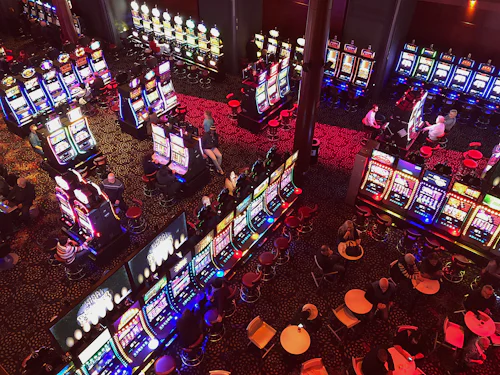
The use of themes—a hallmark of many casino designs—adds another layer of allure. Whether it’s a glamorous Las Vegas feel or a more traditional European aesthetic, these themes create a sense of escapism. Patrons can immerse themselves in an entirely different world, momentarily shedding the realities of everyday life. Effective theming can also influence how guests perceive the casino’s brand and the quality of their experience, encouraging loyalty and repeat visits.
Moreover, the incorporation of art installations or interactive displays can captivate visitors and provide them with Instagram-worthy moments. This not only promotes the casino experience but also encourages social sharing, thus acting as organic marketing. By creating a visually stunning and engaging atmosphere, casinos can increase foot traffic and enhance customer satisfaction, which is critical in maintaining a competitive edge in the industry.
Understanding the Importance of Website Design for Casinos
In the digital age, the design of a casino’s website is just as crucial as its physical layout. A well-designed website enhances user experience, providing essential information and allowing potential customers to navigate effortlessly. Visual branding elements consistent with those in the casino itself—such as colors, fonts, and imagery—create a cohesive experience that resonates with visitors even before they step through the doors.
Furthermore, an engaging website fosters trust and credibility, key components when attracting patrons. Features like user testimonials, virtual tours, and interactive games can engage visitors, turning casual browsers into potential customers. The more a website resonates with visitors, the higher the likelihood they will become loyal patrons, whether online or in-person.
As casinos increasingly offer online gaming options, the significance of website design becomes even more pronounced. The shift to digital platforms necessitates an emphasis on efficient user interfaces and secure transactions, ensuring a seamless transition from the physical to the virtual gambling experience. Ultimately, a well-designed website can serve as a powerful marketing tool, drawing in players and establishing a casino’s brand presence in a highly competitive market.